How Mold Sneaks Into Your HVAC System – And the Simple Steps to Shut It Down

Is Your HVAC System a Secret Mold Invader?

Picture this: You flip on your AC for relief from the summer heat, but instead of cool air, you’re pumping invisible mold spores straight into your lungs. Mold doesn’t just “appear” – it sneaks in through overlooked weak spots like gaps around furnace filters and unsealed joints on the return side of your central air system. If your unit’s in the attic, crawlspace, or outdoors, unfiltered debris and spores hitch a free ride inside.

In humid climates, those spores hit moisture-rich zones like coils and drain pans, and boom – a hidden colony festers. If you’ve caught a whiff of mustiness or feel inexplicably drained, your system might be the culprit. Keep reading to learn how to spot and stop this stealthy intruder.

The Problem: Unseen Mold Turning Your Home into a Toxic Dust Trap

Mold spores are everywhere – outdoors, on your clothes, even in the air you breathe. But they become a nightmare when they infiltrate your HVAC system. Here’s how they sneak in: Tiny spores slip through or around inefficient furnace filters, especially if they’re clogged or low-quality.

Unsealed joints and seams on the return side pull in unfiltered debris from attics, crawlspaces, or outdoor units, delivering a payload of spores right to the heart of your air handler. Once inside, they land on moist surfaces – evaporator coils dripping with condensation, soggy drain pans, or even duct liner (that internal insulation downstream of the coil, which soaks up moisture like a sponge and turns into a mold magnet).

The real issue? These hidden spots fester unchecked because most HVAC techs aren’t IAQH HVAC Mold Inspector certified – they focus on cooling, not air quality. As the blower fan circulates air, mold colonies release spores and fragments throughout your conditioned spaces, creating “toxic house dust” that settles on surfaces, furniture, and floors. Occupants and pets inhale, touch, or ingest it daily, sparking short-term woes like runny noses, coughing, red eyes, rashes, headaches, and fatigue. Left untreated, it escalates to long-term nightmares: brain fog, joint pain, asthma flares, chronic low energy (like living under a cloud), immune issues, and even toxin-producing molds that mimic flu-like symptoms year-round.

Worse, in humid areas, mold growth kicks off in 24-48 hours, spreading allergens, pathogens, and mycotoxins via your vents – no wonder 90% of us spend our time indoors breathing potentially harmful air.

The Solution: DIY Spot-Checks and Pro Help to Seal the Deal

You don’t need to be an expert to fight back – start with simple steps to detect and prevent mold’s sneaky entry. Reference Finding Hidden Mold: Your DIY Guide to a Healthier and Safer Home by Steven J. McLeod for in-depth tactics (grab the bundle at our Indoor Environmental Systems shop). Here’s your actionable plan:

  1. Sniff Test and Visual Scan: Turn on your AC and inhale near the vents – a musty or wet odor screams moisture issues. Pull off supply registers and peek at the backside for debris or black/green spots. Snap pics inside the ductwork and email them to Steve McLeod (forensic Indoor Environmental Professional) or IEPs via ISEAI or NADCA for free advice.
  2. Filter and Joint Audit: Remove your furnace filter – if it’s dusty or bypassed, upgrade to MERV 13. Check return-side joints for gaps; seal with mastic, caulk, or foil tape to block unfiltered spore entry, especially in attics or crawlspaces.
  3. Deep Dive Inspection (Adventurous DIY): With the unit off, open the air handler panel. Shine a light on interior surfaces, coils, drain pans, and downstream duct liner for slime or dust buildup. Ensure proper drainage (no standing water) and UV light installation to illuminate surfaces of the coil to prevent biofilm buildup and mold growth.
  4. Pro Upgrades: Book an IAQH-certified HVAC mold inspector for thorough checks – they’ll fog systems, clean coils, and verify clearance per ANSI/IICRC S520 standards. Add UV-C lights and float switches for auto-shutoff on clogs. For cross-contamination, follow ISEAI’s “Small Particle Cleaning 101” to wipe down home contents.
  5. Virtual Assist: Not ready for hands-on? Schedule a FaceTime virtual inspection with us – we’ll guide you through pics of your air handler, ducts, filters, leaks, UV setup, and drainage to pinpoint problems fast.

Use our Indoor Environmental Systems 6 Signs of Water Damage Checklist – musty odor, water staining, buckling, peeling, rust, plus smudgeable growth on water-stained areas – to catch issues early in high-risk spots like HVAC components and ducts.

Credibility: Trusted Experts Guiding Your Clean Air Journey

At Indoor Environ, I’m Steven J. McLeod, a double board-certified Indoor Environmental Consultant and Forensic Indoor Environmental Professional, with decades of hands-on experience uncovering hidden mold threats.

We align with leading organizations like ISEAI and CIRSx for medically-sensitive remediation protocols, NADCA for HVAC cleaning standards, and ASHRAE for advanced guidelines on moisture control and air quality.

Our IAQH-certified team follows these benchmarks to deliver unbiased, thorough investigations – from virtual to onsite assessments to for investigation to  (PRV) post-remediation verification.

Steven J. McLeod’s Finding Hidden Mold has empowered thousands with DIY tools, ensuring your home gets the forensic-level attention it deserves. We’ve helped families in humid hotspots ditch toxic dust for breathable bliss – your home’s next.

If You Don’t Act: A Cloud of Low Energy and Hidden Health Hits

Ignore those unsealed joints or damp coils, and mold will colonize your HVAC in humid climates, churning out allergenic, pathogenic, or toxigenic strains. Short-term: Sneezing fits and foggy heads. Long-term: Joint pain, chronic fatigue, respiratory woes, and a home that feels like a perpetual flu zone – pets included. Structural rot eats at ducts and value, spiking energy bills by 20-30%. One unchecked spore today? A $15,000+ remediation tomorrow, plus irreplaceable health hits for kids and elders. Don’t let stealthy entries steal your comfort.

Seal Out Mold – Take Control Today

Breathe easier starting now: Chat with home occupants about musty odors, inspect supply registers and filters for dust, and confirm your HVAC tech is IAQH-certified for hidden-spot savvy. A clean system delivers health, safety, and comfort – illness is optional. Kick off with our free Indoor Air Quality Quiz to spot risks in minutes, or book a 1-hour virtual consultation for personalized HVAC guidance. Schedule here – your fresh-air future awaits!

The Evaporator Coil

The evaporator coil is a major trouble spot. It is constantly cold and wet when the AC runs. Dust and dirt stick to the coil’s fins. Consequently, this buildup creates a thick layer of food. Heavy mold growth directly on an evaporator coil. You can see the dirty, splotchy buildup. This restricts airflow. A restricted coil makes your AC work harder. This increases your energy bill. Also, the mold growing here is directly exposed to the air stream. The air blows right over the mold and into your home. Professional cleaning is often needed for coils this dirty.

Stopping the Spread HVAC Mold Prevention and Treatment

Stopping mold requires a two-part plan. First, you must clean the existing mold. Second, you must prevent it from coming back. Do not attempt to clean severe mold yourself. Serious contamination requires a trained professional.

Cleaning and Remediation

You must remove all the mold safely. This often involves specialized cleaning solutions. The technician wears protective gear. For instance, A technician wearing a white suit and a respirator. This gear protects them from harmful mold spores. They clean all parts of the system. This includes coils, drain pans, and blower assemblies. Next, they check the ductwork for contamination. Sometimes, the ductwork or plenum box is too dirty. Mold inside a plenum. In these cases, replacement is the safest option. A full remediation ensures all mold is gone.

Using UV-C Lights for Prevention

UV-C light is a powerful tool against mold. It kills mold, bacteria, and viruses. Therefore, it is a great way to prevent future growth. UV lights are installed inside the HVAC system. They shine directly onto the evaporator coil and drain pan. This area is the source of the moisture problem.

UV lamp installed right on the AC coil. The bright blue light keeps the coil surface clean. The UV light attacks the mold’s DNA. Thus, the mold cannot reproduce or spread. This prevents the sticky buildup on the coil. UV light also works well in ductless units. A UV light strip installed in a ductless mini-split. This method keeps the unit cleaner. It also improves indoor air quality.

UV-C light is a continuous cleaning method. It prevents the need for frequent coil cleanings. However, UV lamps need periodic bulb replacement. Consult a qualified professional for correct installation.

Practical Steps to Prevent Future Mold Growth

Preventing mold is easier than removing it. Follow these steps for a healthy system. Regular checks and maintenance are critical.

1. Control System Moisture:

Make sure your condensate drain line is clear. A blocked line causes water to back up. Furthermore, this water sits in the drain pan. This standing water guarantees mold growth. Pour a little bleach or vinegar down the line monthly. This helps keep it clean. You can also install a safety float switch. This switch shuts off the AC if the drain clogs. This prevents water overflow and damage.

2. Change Air Filters Regularly:

The air filter captures dirt and debris. This debris is food for mold. Consequently, a dirty filter provides more mold. Change your filter every 30 to 90 days. Use a high-quality filter. A high MERV rating captures smaller particles. Cleaner air means less moldy food in your system.

3. Maintain Low Indoor Humidity:

Mold thrives in high humidity. Keep your home’s humidity below 55%. Indeed, 45% to 55% is best. There are different variables that affect humidity in the ductwork which is typically much higher than what’s in the home therefore it’s important to have clean ductwork and surfaces that do not support port microbial growth such as duct liner. Duct liner is mold’s HVAC mold’s best friend that and a technician that’s not certified in finding hidden mold.

Proper evaluation of the HVAC operation and components are done by a professional is necessary for prevention of mold growth

4. Schedule Professional Inspections:

Get a professional HVAC inspection bi yearly. They can keep your system running at maximum efficiency provide mold inspection which can reduce your energy costs and improve your indoor air quality. Surprisingly, the majority of HVAC technicians do not get any mold training or training on how to improve indoor air quality. Referred to the old-timer and or the tech that is IAQH HVAC Mold Inspector Certified.

They can check for early mold signs at the AC vents, coil, plenum, etc.  They can access areas you can’t without specialized tools (borescope) to view moisture and mold issues before they becomes expensive health and services issues. Regular maintenance saves you money in the long run. It prevents major mold remediation costs.

5. Clean the Ducts When Necessary:

Ducts collect dust as even the best Merv freighted filters allow some mold spores and dust to pass through therefore  over time ducts will be lined with nutrients for mold growth.

For excellent indoor air quality, it’s critical to have immaculately clean the air ducts however it takes the right equipment, trained technicians with a lot of integrity and experience to accomplish that.

For example, if there’s mold growth on the flex duct are in the duct liner it should be removed because it cannot be effectively cleaned. Thorough air duct cleaning will also include sealing of the ductwork removing or encapsulation of any duct liner in addition to ultraviolet lamp attached to the downstream side of the coil, and excellent filtration.

Relying on air duct cleaners to provide clean air ducts is often a critical mistake that homeowners make.  As many  companies are not using the right equipment for the flex duct cleaning  or have professionally trained personnel much less an effective protocol for making the air distribution system hygienically clean with preventative measures installed.

Schedule professional duct inspection to determine whether it can be cleaned or should be replaced . Referred to NADCA Certified air duct inspector or IAQH HVAC mold inspector.

Conclusion

Mold in your HVAC system is a serious health and structural issue. It spreads quickly when moisture and dust is present. Everything downstream of the coil and drain pan are the most vulnerable spots.

Therefore, regular maintenance is essential. You must control moisture, dust to eliminate the mold’s buffet. Professional remediation is needed for severe cases. UV-C lights offer an excellent way to keep your coils clean long-term. Take immediate action to check your system. Finally, ensure your family breathes clean, healthy air. Your effort now protects your home and health.

5 Frequently Asked Questions (FAQs)

  1. How fast can mold grow in an AC unit?

Mold can start growing in as little as 24 to 48 hours. But this only happens if there is enough moisture. Spores grow faster in warm, wet summer conditions.

  1. Can I clean my AC mold myself?

You can clean exceptionally light, surface mold yourself. However, use proper safety gear. If the mold is widespread, call a professional. Serious HVAC mold requires expert remediation.

  1. Does UV light installed in HVAC systems harm people?

No, the UV-C light is sealed inside the air system. In fact, it cannot escape the unit. The light only shines on the coil and inner parts. It is totally safe when installed correctly.

  1. Will my homeowner’s insurance cover mold removal?

Insurance coverage varies greatly. Therefore, you must check your policy terms. Most standard policies do not cover mold damage. This is often true if the cause is due to poor maintenance.

  1. Why does my house smell musty when the AC runs?

A musty smell is a key sign of mold or mildew. Also, it can signal standing water in the drain pan. The smell comes from mold’s volatile organic compounds. You should inspect your unit right away.


Call to Action: Seal Out Mold – Take Control Today

Breathe easier starting now: Chat with home occupants about musty odors, inspect supply registers and filters for dust, and confirm your HVAC tech is IAQH-certified for hidden-spot savvy. A clean system delivers health, safety, and comfort – illness is optional. Kick off with our free Indoor Air Quality Quiz to spot risks in minutes, or book a 1-hour virtual consultation for personalized HVAC guidance. Schedule here – your fresh-air future awaits!

Visit us at:

IndoorEnviron.com | IAQHealth.com | Facebook

Posted on IndoorEnviron.com | Share on Facebook, Instagram, or X for healthier homes everywhere.

Stop AC Mold Fast: Expert Tips for Cleaner Indoor Air

Is your home’s central air conditioning system helping mold spread instead of stopping it? Discover how mold grows — and, more importantly, how strategic upgrades and smart maintenance can keep your air healthy, your system efficient, and your home safe.

Why Mold Thrives in Central AC Systems

Central air conditioners are mold magnets because they combine condensation, darkness, and dust — the three essentials for mold growth. Spores latch onto moist AC coils, and debris in ducts, and multiply fast. Each time the system cycles, your blower spreads those spores throughout the home creating a toxic dust.

Moldy Coil

The Role of High-Efficiency Filters

Upgrading to high-efficiency ( high-MERV) filters is the first line of defense. These advanced filters trap the majority of airborne spores before they enter your AC system and reentering the living spaces, helping reduce asthma and allergy symptoms while protecting system components from organic buildup.

  • Tip: Change these filters every 1–3 months, or more often during heavy use.

Harnessing the Power of UV Light

Certified HVAC Mold Inspectors recommend installing UV-C light downstream of the evaporator coil. Why? The coil is the coldest, wettest part of your system — a primary breeding ground for mold.

  • UV-C disrupts mold spores’ DNA, inactivating them and preventing regrowth on the coil, drain pan, and in the first stretch of ductwork.
  • UV systems also help neutralize bacteria and viruses passing through, giving you hospital-grade air inside your home.

Critical System Design: No Duct Liner Downstream of Coil

One easily overlooked mold risk lurks inside your ductwork. Never allow internal insulation or “duct liner” downstream of the cooling coil. These materials absorb moisture and become major reservoirs for mold and bacteria if exposed to condensation, undoing even the best filter and UV strategies.

  • Best practice is externally insulated ductwork after the coil.

Regularly inspect for any signs of insulation damage or moisture stains.

Actionable Maintenance & Prevention Tips

  • Control Moisture: Keep indoor humidity between 40% and 60%.
  • Schedule Professional Services: to maximize efficiency of the air conditioning system, in clean the coil, drain pans and condensate lines at the end of each cooling season.
  • Monitor Air Quality: Install indoor air quality sensors, for humidity, CO2, VOCs, particles, radon to be sure everything is in green/healthy range and adjust for seasonal changes as needed.
Moldy Duct Liner

FAQs

Does mold affect AC performance?

Yes, mold reduces airflow and forces the system to work harder, decreasing efficiency and increasing energy costs.

Should I install UV light myself?

Professional installation is best — placement, shielding, and safety matter for both UV effectiveness and system protection.

Does UV light replace the need for high-efficiency filters?

No. UV light works with, not instead of, filters for comprehensive mold control.

Does insulation in the ductwork really matter?

Absolutely. Moist insulation breeds mold — removing any internal insulation downstream of the coil helps ensure spores have nowhere to grow.

Can I remove the mold myself from my AC?

Small visible mold areas can be cleaned safely, but hidden mold in ducts or deep inside components requires professional attention to prevent further spread.

Download the 5 Signs of Water Damage in Your HVAC System checklist to identify early warning signs like musty smells, corrosion, and pooling water — and stop hidden leaks before they damage ducts, coils, or air quality.

Final Thoughts

Your strategy for defeating mold in central air conditioning combines high-efficiency filters, well-positioned UV light, and smart ductwork design. By upgrading these three areas and sticking to routine maintenance, you can keep your system running efficiently and your home’s air as clean as possible. Don’t let HVAC mold become a health or comfort issue—upgrade, maintain, and breathe easy!

For more healthy home solutions or to schedule a professional AC mold inspection, contact the IAQ experts at Indoor Environmental Systems, Inc. today.


Visit us at:

IndoorEnviron.com | IAQHealth.com | Facebook

The Consequences of Unchecked Humidity in Your Home

Unchecked humidity can cause more problems in your home than you might think. Damp spaces become a breeding ground for mold, which damages your property and impacts your health. Mold spores in the air can irritate your lungs, worsen allergies, and create long-term respiratory issues.

High indoor humidity can also overwhelm your HVAC system, making your space uncomfortable and stale. Musty odors that cling to your furniture and clothes could signal a deeper issue hiding in your walls or floors. At Indoor Environmental Systems Inc., we offer professional mold testing in Raleigh/Durham, NC, to help uncover these invisible threats.

Investing in our services gives you peace of mind and a healthier, cleaner home. You deserve an indoor space that supports your well-being, not one that quietly works against it.

Keep reading to learn about the risks associated with unchecked humidity in your home.

Mold Flourishes in Damp Spaces

Mold thrives in places where moisture lingers, such as bathrooms, basements, and kitchens. These areas often have high humidity or hidden leaks, making them perfect environments for mold growth. If water damage goes unnoticed, it creates the ideal conditions for mold to spread quickly.

When mold grows, it releases tiny spores into the air that can cause health problems. Breathing in these spores can lead to coughing, sneezing, or even triggering asthma attacks. Over time, continuous exposure to mold spores can cause severe allergies or worsen respiratory issues.

Addressing water damage within 48 hours is essential to prevent mold from spreading. Repairing leaks, drying wet areas, and using dehumidifiers can help eliminate excess moisture. By taking these steps, you can stop mold before it becomes a serious health hazard.

Keeping your home dry and clean is key to preventing mold. Regularly inspect areas prone to dampness and fix potential problems early. A proactive approach can protect your home and your family’s health from harmful mold growth.

Humidity Spirals Out of Control

High indoor humidity can make your home uncomfortable and unhealthy. When humidity rises above 50%, it creates the perfect environment for mold to grow. Mold feeds on damp walls, floors, and other surfaces, spreading quickly throughout your house. This can harm your home and health, causing allergies, asthma, and other respiratory problems.

Excess moisture also makes it harder for your HVAC system to work. The air feels heavier and harder to cool, which forces the system to run longer and use more energy. This raises energy bills and increases wear and tear on your HVAC unit, leading to costly repairs over time.

To protect your home and family, it’s important to address high humidity levels quickly. Professional mold testing in Raleigh/Durham, NC, can help identify hidden mold growth and locate moisture problems. Fixing these issues can restore air quality and prevent further damage, giving you peace of mind.

Odors Travel Through the Air

Water damage odors spread throughout a space as air carries the tiny particles, causing the smell. These particles can settle into porous surfaces like walls, carpets, and upholstery, making them harder to remove.

How Airflow Contributes to Smell Spread 

Airflow moves these odor-causing particles from room to room, allowing them to reach spaces far from the original water damage. HVAC systems can also pick up these particles and circulate them throughout a building. This makes identifying and addressing the source of the odor critical to preventing it from spreading further.

The Role of Moisture in Odor Retention 

Moisture in the air provides an ideal environment for microbial growth, which produces persistent smells. High humidity levels accelerate the spread and intensify the odor, allowing particles to remain airborne longer. Without proper ventilation, these conditions can worsen over time, affecting both comfort and health.

Hidden Spaces Hold Odors 

Odors often get trapped in hidden areas like behind walls, under floors, or inside ducts. These spaces may absorb moisture from leaks or flooding, creating a breeding ground for mold and bacteria. Investigating and addressing these areas is essential to fully eliminating the lingering odors.

Consequences of Delayed Action 

Ignoring water damage odors can lead to long-term issues like structural damage and reduced air quality. Prolonged exposure to these pollutants may trigger allergies or respiratory problems for those in the space. Acting quickly to clean and repair all affected areas can help prevent these outcomes and restore the environment.

Organic Decay Releases Pollutants

Organic decay can set in when wood, drywall, or insulation remains wet for too long. This happens because moisture allows harmful microorganisms to grow, breaking down the materials into tiny particles. These particles can easily travel through the air and end up in your home’s ventilation system, affecting the air you breathe.

Breathing in these decayed particles can be dangerous over time. Small children, elderly individuals, and people with asthma or other respiratory problems are especially at risk. Even for healthy people, constant exposure can cause lung irritation and long-term health effects.

If you live in the Raleigh/Durham, NC area, mold testing is vital to protect your indoor air quality. By identifying sources of organic decay early, you can take necessary steps to prevent further air pollution in your home.

Indoor Environmental Systems Inc. specializes in mold testing in Raleigh/Durham, NC, and offers reliable solutions for keeping your home safe. We can accurately detect mold problems and help you restore your indoor air to a healthy, breathable state.

Bacteria Spread Rapidly

Standing water allows bacteria to grow and multiply quickly. When left alone, it creates an ideal environment for germs to thrive. Warm, damp conditions encourage harmful bacteria to spread faster throughout your home.

These bacteria do not stay in one place. They can mix with the air and move to different rooms, putting everyone in the house at risk. Each time you breathe in the air, you could be inhaling bacteria that may harm your health.

Taking immediate action can help prevent serious problems. Cleaning up standing water and drying the area reduces the possibility of spreading bacteria. Acting fast protects your home’s air quality and keeps your family safe from health issues.

Mold in Your HVAC System Spreads Invisible Contaminants

Water leaking into ductwork provides the perfect environment for mold to grow. Mold colonies thrive in dark, damp spaces while remaining hidden. Unfortunately, this growth goes unnoticed for weeks or even months, making it hard to detect early. Over time, this mold becomes a problem for your entire home.

When mold spores become airborne, they spread rapidly through your HVAC system. The vents connected to your ductwork circulate air and spores into every room. This silent invasion affects your home’s air quality without you realizing it. Many people start experiencing issues, like allergies or respiratory discomfort, but don’t suspect their ducts right away.

That’s why professional mold testing in Raleigh/Durham, NC, is so important. Experts can detect hidden mold colonies inside your HVAC system and identify the source of the contamination. Testing ensures accurate results and reveals exactly where action is needed to restore clean, safe air.

If left untreated, mold continues to grow and intensify the problem. Professional testing gives you a head start in stopping the spread and protecting your family’s health. By catching issues early, you also save money on long-term repairs or replacements caused by mold damage over time.

Mycotoxins Bring Hidden Dangers

These toxins are hazardous because they can affect people over time without them knowing. Exposure often happens in homes or workplaces with mold problems, making it crucial to detect and address the issue early.

Here are some key points about mycotoxins and their impact:

  • Serious Health Risks: Prolonged exposure to mycotoxins can lead to chronic respiratory issues, skin irritation, and even long-term illnesses, such as neurological disorders.
  • Airborne Spread: Mycotoxins don’t stay confined to moldy surfaces; they can become airborne, contaminating the environment and making them easy to inhale.
  • Invisible Threat: Mycotoxins are not visible or detectable through smell, meaning you could be exposed without realizing the source of your symptoms.
  • High-Moisture Environments: Mold thrives in damp areas like basements, bathrooms, or under leaky roofs, increasing the chances of airborne mycotoxins in such spaces.

Addressing mold infestations early is essential to limit exposure to these harmful compounds and protect your health.

Carpets Hold Allergens

Vacuuming regularly can help remove some of the allergens trapped in carpets. Using a vacuum with a HEPA filter is better because it captures smaller particles like pollen and dust. Cleaning carpets often, especially in high-traffic areas, improves air quality and reduces allergy symptoms.

Deep cleaning carpets every few months makes a big difference for allergy sufferers. Steam cleaning or professional services can remove deeper dirt and allergens that regular vacuuming might miss. Choosing carpet cleaning methods that kill bacteria and dust mites is especially helpful for maintaining a healthy home.

Replacing old carpets with newer, hypoallergenic materials can further reduce allergens. Opting for hard-surface flooring or washable area rugs is another option for people with severe allergies. Making thoughtful choices about flooring creates a healthier living space for everyone.

Paint and Finishes Degrade Into Pollutants

Water-damaged walls and painted surfaces often peel or crack, releasing small particles and VOCs (volatile organic compounds) into the air. These mixed pollutants aggravate respiratory conditions and can have long-term health consequences.

Impact of Water Damage on Indoor Air Quality 

The degradation process accelerates when walls or painted surfaces are exposed to water damage. Damp conditions lead to cracking and peeling and foster an environment for microbial growth. This introduces additional airborne contaminants that exacerbate allergies and asthma, especially in vulnerable populations.

The Role of VOCs in Environmental Health 

Volatile organic compounds (VOCs) are chemicals that evaporate into the air from degrading paint and finishes. Over time, VOCs accumulate indoors, particularly in spaces with poor ventilation. Prolonged exposure to these compounds has been linked to headaches, nausea, and even increased cancer risk in extreme cases.

Hidden Issues Identified by Mold Testing in Raleigh/Durham, NC 

Professional mold testing in Raleigh/Durham, NC, is essential for identifying contamination hotspots caused by water damage. Often, hidden mold thrives beneath peeling paint or inside compromised walls, releasing spores into the air. Testing provides insights into the extent of the issue and helps guide effective remediation strategies.

Long-Term Solutions for Paint-Related Pollutants 

Proactive measures are necessary to mitigate the health impacts of degrading paint. Using low-VOC or VOC-free paints during renovations can significantly reduce future pollution risks. Maintaining proper airflow and promptly addressing leaks helps prevent water damage and preserve indoor air quality.

Pests Increase Air Contamination

Waterlogged areas create an ideal habitat for pests such as cockroaches and rodents. These pests thrive in damp environments, multiplying quickly and spreading through homes or buildings. They often hide in dark spaces, making them hard to eliminate once they settle.

Cockroaches and rodents leave behind droppings, urine, and shed skin that mix with circulating air. These particles become allergens, irritating people who breathe them in. Sensitive individuals, especially those with asthma, may experience more frequent attacks due to exposure.

Regular cleaning and addressing moisture issues can help reduce pest infestations and their harmful effects. Sealing cracks, fixing plumbing leaks, and improving ventilation keep these pests from entering and prevent their allergens from spreading. A clean, dry environment ensures better air quality and health.

Dust Mites Are a Problem in Damp Homes

Humidity inside the home creates conditions that allow dust mites to thrive. When water damage occurs, moisture can seep into carpets, mattresses, and furniture. This trapped dampness becomes a breeding ground for these tiny pests. Over time, their numbers can skyrocket in such an environment.

Dust mites produce waste that readily mixes with the air. Once airborne, these allergens can cause respiratory problems like asthma or worsen skin conditions like eczema. People sensitive to allergens may find avoiding symptoms such as sneezing, itching, and congestion difficult.

Controlling humidity levels plays a key role in reducing dust mites. Using dehumidifiers and ensuring proper ventilation helps keep the air dry. Promptly repairing leaks and removing standing water also lowers moisture in the home and stops these pests from multiplying.

Cleaning furniture and soft surfaces regularly can limit dust mite infestations. To protect mattresses and pillows, choose washable covers. Heat-cleaning methods, like washing fabrics in hot water, also kill mites and remove allergens.

Condensation Clogs Airflow

Excess moisture collecting in your HVAC system can cause serious problems over time. This usually happens when warm air meets cold surfaces inside the ducts, leading to water droplets that gather and disrupt proper airflow. 

How Moisture Impacts Air Quality 

When condensation builds up, it often creates the perfect environment for mold and bacteria growth. These harmful particles can then spread through the HVAC system, polluting the air in your home. Breathing contaminated air can lead to respiratory issues, allergies, and other health problems. 

HVAC Performance Drops 

Condensation reduces airflow and strains your HVAC system. Blocked ducts force the system to work harder to maintain a comfortable indoor temperature, which can lead to higher energy bills and potential damage to your HVAC components over time. 

Preventing Condensation Build-Up 

Proper maintenance is essential to preventing condensation issues. Regularly cleaning and inspecting your ducts can stop moisture problems before they escalate. Using a dehumidifier or ensuring proper ventilation in your home also helps reduce excess moisture in the air. 

Protect Your Home with Mold Testing in Raleigh/Durham, NC

Unchecked humidity can take a serious toll on your home and your health. With professional mold testing from Indoor Environmental Systems Inc., you can identify hidden problems before they spiral out of control. Let us help you create a safer, healthier environment where you and your family can breathe easy.

Key Takeaways

How does unchecked humidity lead to mold growth in homes?

Excess moisture provides the perfect environment for mold to grow, especially in areas like bathrooms and basements. Mold spreads quickly and releases spores into the air, which can harm both your property and your health.

What health problems can mold cause?

Mold spores can trigger allergies, asthma, and other respiratory issues. Long-term exposure may lead to severe breathing problems or worsen pre-existing conditions.

How does high humidity affect HVAC system performance?

Excess humidity forces HVAC systems to work harder, raising energy bills and wearing out components faster. This inefficiency can also make your home feel uncomfortable and harder to cool.

Why should odors from water damage be addressed immediately?

Musty odors from water damage often signal hidden mold or bacterial growth. Ignoring them can worsen air quality, spread contaminants, and lead to costly structural damage.

Why is professional mold testing important for air quality?

Professional mold testing identifies hidden mold and moisture sources that DIY methods might miss. Early detection helps protect your home and health by ensuring effective remediation and improved air quality.


Why Moisture Detection is the First Step to Preventing Structural Damage

Mold and mildew growth are not only unsightly but can also cause significant structural damage to your home. These microscopic fungi thrive in damp and dark conditions, making them especially problematic for places with high humidity levels or water leaks. When left untreated, mold can quickly spread throughout a property’s walls, floors, and ceilings, weakening their integrity and potentially leading to costly repairs.

As a homeowner, it is essential to be proactive in preventing mold growth by regularly inspecting your living spaces for any signs of moisture intrusion. However, simply looking for visible signs of mold may not be enough. That’s where professional mold inspection and testing services in Cary, NC come in.

Indoor Environmental Systems Inc. offers comprehensive mold inspection and testing services to help homeowners identify and address potential mold issues. Our certified professionals use state-of-the-art equipment and techniques to detect even the smallest traces of moisture and mold in your home.

Keep reading to learn why early detection is the first step in preventing structural damage.

Foundation Weakness Starts With Moisture

Water entering your foundation is a problem that builds over time. When moisture sits in or around your foundation, it can erode the supporting materials and cause cracks. Small cracks may not seem like a big deal at first, but they can grow and allow even more water to seep in, making the damage worse. This cycle of damage weakens the foundation and the entire structure above it.

Uneven settling is another issue caused by water infiltration. When sections of the ground beneath your foundation shift or compact due to water, your home can settle in unintended ways. This can cause uneven floors, gaps around windows or doors, and visible shifts in the structure of your house. These changes add stress to your home’s design and can affect its long-term safety.

Preventing moisture from reaching your foundation is one of the best ways to avoid these problems. Installing proper drainage systems, sealing cracks, and managing water flow around your home can make a big difference. Taking action early keeps your foundation strong and your home safe from long-lasting structural damage.

Mold Growth in Hidden Spaces

Mold can easily go unnoticed in your home because it often grows in concealed areas. Hidden spots like basements, attics, and even air ducts provide the perfect conditions for mold to spread. If left untreated, it can lead to serious health issues, including allergies and respiratory problems. That’s why taking action is so important.

One effective way to identify hidden mold is by scheduling mold testing in Cary, NC. The team at Indoor Environmental Systems Inc. can find hidden mold in your home. Once this problem is discovered, we will develop a plan to eliminate the mold.

Wood Rot Can Spread Like Wildfire

Moisture is the main culprit when it comes to wood rot in your home. Water seeps into wooden beams and joists, creating the perfect conditions for fungi to grow. Over time, the wood becomes soft and weak, making it unable to support the weight of your home. This decay doesn’t stay put—it can quickly move to other wooden structures, causing widespread damage.

Catching wood rot early can save you from expensive repairs. Regularly inspecting your home for signs of decay can make a big difference. Look for discoloration, a musty smell, or soft spots on your wooden surfaces. If you spot an issue, tackling it right away stops the rot from spreading and keeps your home safe.

Taking steps to prevent wood rot can also protect your home in the long run. Keeping areas well-ventilated and stopping leaks reduces the chances of moisture buildup. Sealing wood with protective coatings can act as a barrier against water. With simple maintenance and attention, you can avoid the costly consequences of wood rot.

Leak Detection Beyond the Surface

Water leaks can be deceptive and wreak havoc before you even notice them. If left undetected, hidden leaks can contribute to long-term structural damage, mold growth, and skyrocketing utility bills.

The main areas where hidden leaks often occur include:

  • Inside Wall Cavities: Pipes concealed within your walls can develop pinhole leaks or cracks, leading to water damage that silently compromises insulation and drywall integrity. 
  • Underneath Flooring: Leaks from subfloor plumbing or cracked foundations can seep into wooden or tiled floors, causing warping, stains, and eventual weakening of the floor structure. 
  • Behind or Beneath Appliances: Water supply lines connected to dishwashers, washing machines, or refrigerators may wear down over time, leading to unnoticed drips or pooling water. 
  • Roof and Attic Spaces: Damaged flashing or clogged gutters can create pathways for water to enter, often saturating attic insulation and wood framing before becoming visible. 

Professional inspection of these areas ensures that any concealed leaks are identified and repaired, safeguarding your home against severe damage.

Maintaining Clean, Healthy Air

Excess moisture in your home can create the perfect environment for mold and mildew to grow. These fungi release tiny airborne particles that may lead to allergies, asthma, or other respiratory issues. Regular inspections and solutions, such as mold testing in Cary, NC, can identify potential problems before they escalate. Early detection helps ensure your home remains safe and healthy for you and your family.

Indoor Environmental Systems Inc. specializes in improving air quality by addressing moisture and mold concerns. Our experts use advanced techniques to locate hidden mold and develop a plan of attack. With our help, you can rid your home of mold for good.

Protecting Your Budget From Major Repairs

If not addressed promptly, minor water intrusion can cause a series of gradual yet significant damages. These minor issues can escalate into major financial burdens, turning routine upkeep into comprehensive repair projects.

Mold Growth and Health Risks 

When water intrusion facilitates mold growth, it compromises the integrity of building materials and poses serious health risks. Mold thrives in damp environments and can spread rapidly, colonizing spaces like walls, ceilings, and ventilation systems. Prolonged exposure to mold spores can lead to respiratory issues, allergies, and structural decay, making containment and remediation urgent and costly. 

Rotting of Structural Components 

Prolonged exposure to moisture can lead to the rotting of wooden structural elements, such as beams, joists, and studs. Once rot sets in, it weakens the structural integrity of your home, creating potential safety hazards. Replacing rotted wood often requires dismantling adjacent materials, driving repair expenses significantly higher. 

Damaged Insulation and Energy Efficiency 

Water intrusion can severely compromise the effectiveness of your insulation, reducing its ability to regulate indoor temperature. Wet insulation becomes compacted and loses its thermal resistance, forcing HVAC systems to work harder. This leads to rising energy costs and requires replacement to restore your home’s energy efficiency. 

Degradation of Electrical Systems 

Moisture seepage into walls and ceilings can infiltrate electrical systems, increasing the risk of short circuits and fire hazards. Corrosion of electrical wiring and damage to outlets or circuit panels often demands a complete overhaul of affected systems. These repairs come with high costs and leave homeowners temporarily without power, adding to the inconvenience. 

Stop Pests in Their Tracks

Moisture creates the perfect home for pests like termites, cockroaches, and rodents. These creatures thrive in damp areas, making basements, crawl spaces, and leaky pipes their favorite spots. Once they settle in, pests can quickly cause damage by chewing through wood, contaminating food, and spreading disease.

Keeping your home dry and well-ventilated is a simple way to make it less inviting to these unwelcome guests. Acting fast can make all the difference when it comes to pest control. Regularly checking for standing water, fixing leaks, and cleaning up damp spaces can prevent pests from invading.

Sealing cracks and openings in walls or foundations adds another layer of protection. These small steps build a strong defense, ensuring your home stays safe and pest-free.

Preventing Chronic Health Problems

Unchecked moisture in your home can create an ideal environment for mold growth, which may trigger serious health problems over time. Mold exposure can cause respiratory infections, asthma flare-ups, or even long-term sensitivity to allergens. Tackling moisture issues early helps prevent these risks and keeps your living space safe and healthy.

One effective way to address these problems is to schedule mold testing in Cary, NC. Indoor Environmental Systems Inc. offers comprehensive mold testing services to identify potential issues and provide recommendations for remediation.

Contact Us to Schedule Mold Testing in Cary, NC

To schedule mold testing in Cary, NC, contact Indoor Environmental Systems Inc. today. Our team of experts will work with you to assess your needs and provide affordable solutions for your home or business. We are committed to providing thorough and accurate testing services to keep your living space safe and healthy.

EMMA

10 Molds and 50 Mycotoxins Evaluated

(EMMA) is for Clinically Significant Mold and Mycotoxins

Understanding EMMA: Your Solution for Mold and Mycotoxin Detection

Why Mold and Mycotoxin Detection Matters

Triggers inflammation
Poor indoor air quality can trigger inflammation, headaches and fatigue

Indoor air quality is a significant health concern, often overlooked until symptoms demand our attention. Molds and mycotoxins can lurk in our homes or workplaces, leading to a range of health issues from allergies to more severe chronic conditions. The Environmental Mold and Mycotoxin Assessment (EMMA) provides a comprehensive approach to detecting these hidden dangers and safeguarding your health by identifying the most harmful molds and mycotoxins.

Molds and Mycotoxins We Test For

The EMMA test is specifically designed to identify ten of the most relevant mold species and fifty dangerous mycotoxins using innovative technology:

  • Mold Species: Includes Aspergillus flavus, known for producing aflatoxin which is linked to liver cancer; Stachybotrys chartarum, notorious for its severe toxicity and association with sick building syndrome; among others.
  • Mycotoxins: Our test covers a broad-spectrum including Aflatoxins (B1, B2, G1, G2), highly toxic compounds that can affect liver function and immune system response, and Ochratoxins, which are potent neurotoxins.
Next generation sequencing
Next generation sequencing (NGS)

How EMMA Stands Above the Rest

Utilizing Molecular Detection through MSQPCR and advanced LC/MS/MS technologies, EMMA offers unparalleled specificity and sensitivity in mold and mycotoxin detection. This comprehensive approach ensures that our testing is not only accurate but also superior to other market offerings, providing a detailed profile of indoor environmental health.

Cutting-Edge Science You Can Trust

NGS Can study how we interact with the microbial co-inhabitants.

By applying Next Generation Sequencing (NGS) technology, EMMA offers a comprehensive view of microbial inhabitants in your environment without the limitations of traditional methods. This advanced sequencing provides a detailed analysis of genetic material, allowing us to detect and quantify a wide array of microorganisms with precision.

Stay Informed and Safe

To keep our clients informed, we regularly update our content with the latest findings and advancements in the field of microbiology and indoor air quality testing. This commitment ensures that our clients always have access to the most current and relevant information.

Do not wait for symptoms to tell you there is a problem. Contact Indoor Environmental Systems Inc. today to schedule your EMMA test and take the first step towards a healthier indoor environment. Visit our website or reach out directly through our contact page to learn more about custom microbiota and IAQ testing for your home or office.

EMMA Mold and Mycotoxin Assessment

Molds Tested Mycotoxins Detected
1. Aspergillus flavus 1. Aflatoxin B1
2. Aspergillus fumigatus 2. Aflatoxin B2
3. Aspergillus niger 3. Aflatoxin G1
4. Aspergillus ochraceus 4. Aflatoxin G2
5. Aspergillus penicillioides 5. Ochratoxin A
6. Aspergillus versicolor 6. Ochratoxin B
7. Chaetomium globosum 7. Ochratoxin C
8. Cladosporium sphaerospermum 8. Sterigmatocystin
9. Penicillium brevicompactum 9. Citrinin
10. Stachybotrys chartarum 10. Mycophenolic Acid

Mycotoxins Tested

11. Diacetoxyscirpenol 12. Fusarenon X
13. Nivalenol 14. T-2 Toxin
15. HT-2 Toxin 16. Neosolaniol
17. Satratoxin G 18. Satratoxin H
19. Isosatratoxin F 20. Roridin A
21. Roridin E 22. Roridin H
23. Roridin L-2 24. Verrucarin A
25. Verrucarin J 26. Enniatin A
27. Enniatin A1 28. Enniatin B
29. Enniatin B1 30. Beauvericin
31. Patulin 32. Gliotoxin
33. Cyclopiazonic Acid 34. Viomellein
35. Verruculogen 36. Roquefortine C
37. Chrysogine 38. Emodin
39. Physcion 40. Questin
41. Questinol 42. Ochratoxin α
43. 3-Nitropropionic Acid 44. Zearalenone
45. Zearalenol 46. Alternariol
47. Alternariol monomethyl ether 48. Tentoxin
49. Mycophenolic acid 50. Fumonisin B1, B2, B3

Most Harmful Mycotoxins and Associated Health Concerns

Mycotoxin Associated Health Concerns
Aflatoxin B1 Highly carcinogenic; linked to liver cancer, immune suppression, and growth impairment.
Ochratoxin A Causes kidney damage and possibly cancer; linked to urinary tract tumors and immunosuppression.
Trichothecenes Includes Satratoxin G and T-2 Toxin; causes severe irritation to skin and mucous membranes, immune suppression, and organ damage.
Fumonisins Linked to esophageal cancer and neural tube defects in infants; causes liver and kidney damage.
Zearalenone Mimics estrogen leading to reproductive disturbances, infertility, and has carcinogenic properties.
Sterigmatocystin Potentially carcinogenic; causes liver and kidney damage similar to aflatoxins.
Patulin Toxic to the immune system and possibly carcinogenic; associated with inflammation and ulcers in the gastrointestinal tract.
Citrinin Renal toxin which can cause kidney failure; often co-occurs with Ochratoxin A, enhancing its toxicity.
Ergot alkaloids Causes ergotism, which can lead to gangrene, hallucinations, and convulsions.
Gliotoxin Immunosuppressive; strongly associated with exacerbation of lung infections in individuals with compromised immune systems.

This table is not exhaustive but highlights key mycotoxins that are crucial to monitor due to their significant health risks. Each entry in this table has been selected based on the severity of health issues they can cause, underscoring the importance of comprehensive mycotoxin testing in indoor environments like homes and workplaces.

Experience & Trust.

Business professional with a touchscreen interface of environmental consulting services
Indoor Environmental Consulting Services.

IES is Provides air quality services in the United States and internationally and specializes in analyzing samples to determine the presence of mold, bacteria, and other microorganisms (including ERMI, HERTSMI-2, Actino, Mycotoxins, Endotoxins, etc.).

IES collaborates with environmental and medical experts who make crucial decisions about the indoor environment that have an impact on the health of our communities. We employ research and innovation to produce reliable data that people can rely on and to develop time and resource-saving solutions.

Next Generation Sequencing (NGS)

Next generation sequencing
NGS Can study how we interact with the microbial co-inhabitants.

By the application of NGS, we can study how you interact with the microbial co-inhabitants without being limited by the methodological constraints we have been subjected to in the past. NGS will allow us to determine and quantify the fullest spectrum of the microbiota in your environment.

Sequencing is the process of determining the precise order of nucleotides within the genome. It includes various methods or technologies that are used to determine the order of the four nucleotides in the DNA strand. The advent of rapid DNA sequencing methods has accelerated biological and medical research and discovery.

IAQ Testing

In addition to microbiota testing, we can evaluate a variety of indoor air quality contaminants and offer real-time remote monitoring with our indoor air quality monitors.

AI Collaboration

Working with AI we generate reports in which we cross-reference symptoms with environmental findings to help patients and doctors find the root cause of complex chronic illnesses.

Contact us for custom microbiota and IAQ testing within your home, office, or transportation environment.

For further information and to book your test, visit Indoor Environmental Systems Inc.

Indoor air test
Indoor air test for chemicals and mold
IAQ monitor
Seven sensors tell you what’s in your air

Navigating the World of Fogging – From Remediation to Probiotic Reinforcement

In our quest to maintain healthy indoor environments, fogging has emerged as a crucial technology when applied correctly.

This blog explores the application of wet, dry, and electrostatic fogging methods, emphasizing the importance of rebalancing the natural biome of home surfaces and the innovative use of probiotics for ongoing environmental management.

After a thorough investigation and resolution of the home for moisture and mold issues fogging may be an integral part of the final cleaning process to remove particulate matter and disinfect.

 Understanding Home Biomes

Petri plate showing numerous Colony forming units representing multi-colored mold and bacteria.

Every home has a natural biome, a community of microorganisms living on surfaces. This biome can become imbalanced due to the proliferation of mold or pathogenic bacteria. Addressing this imbalance is crucial for maintaining a healthy indoor environment.

The Role of Fogging in Deep Cleaning
Fogging is crucial in comprehensive cleaning processes as it facilitates the settling of airborne particles and related substances onto surfaces or air filters, making them accessible for removal. This technique ensures the efficient elimination of these contaminants through later wiping steps.

Wet Fogging

Electrostatic fog
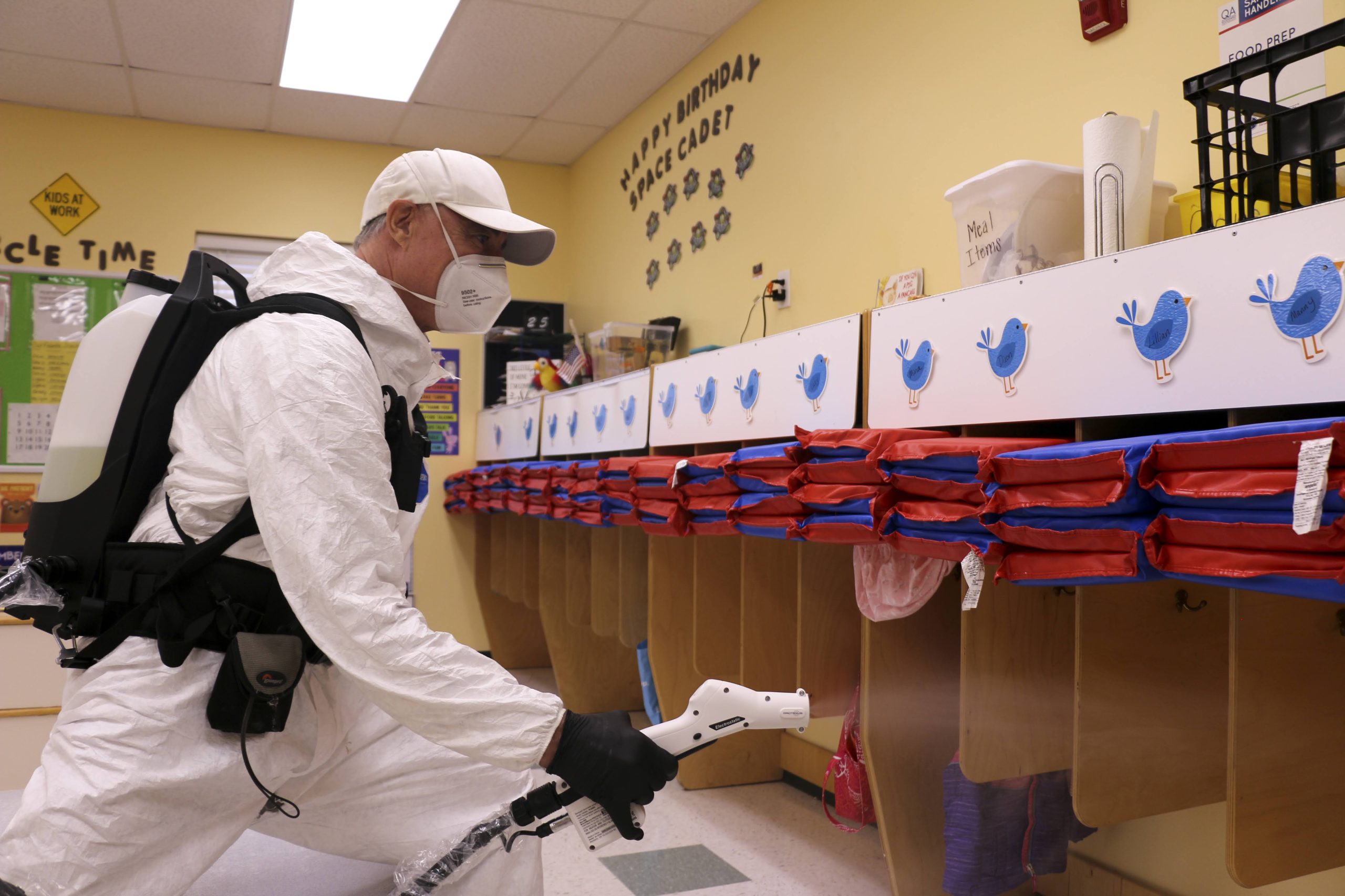
Electrostatic Wet Fogging for disinfection in a school. By Steve McLeod

Wet fogging, especially with an essential oil or glycol-based solutions, is ideal for airborne particulate removal and intensive cleaning. Its larger droplets (10 to 50 micron) ensure better surface coverage and an extended contact time, Due to slower evaporation for the disinfectant to work effectively.

Dry Fogging
Dry fogging, with droplet size of 5 micron or less, often using hydrogen peroxide, is effective against pathogenic bacteria, mycotoxins, endotoxins, and viruses. Its finer droplets reach hard-to-access areas, ensuring comprehensive cleanliness.

Electrostatic Fogging

Electrostatic dry fogging
Electrostatic dry fogging for disinfection.

Electrostatic fogging, adaptable for both wet and dry fogging methods, offers comprehensive and even coverage on all surfaces. This technique excels in thoroughly covering every part of a space, including hard-to-reach corners and crevices, by ensuring the disinfectant is evenly distributed. The key to its effectiveness lies in its electrostatic charge, which enhances the solution’s adherence to surfaces, ensuring a more thorough and lasting application.

Hydrogen Peroxide in Fogging
Hydrogen peroxide is a popular choice in fogging for its broad-spectrum antimicrobial properties. It decomposes into harmless byproducts, making it a safe and environmentally friendly option.

The Role of CS4
CS4, a compound crafted from food-grade alcohol and essential oils, stands out as a superior option for both wet and electrostatic fogging. This is due to its dual capacity for disinfection and transferring airborne particles onto surfaces. A notable aspect of CS4 is its contribution to sustained microbial prevention. Thanks to the essential oils it contains, CS4 extends its protective effects for up to 30 days. Beyond its cleaning capabilities, CS4 plays a vital role in preserving a fresh and pleasant environment after treatment.

Reestablishing a Healthy Biome with Probiotics

Probiotic cleaner
Probiotic cleaner micro clean surfaces for up to 7 days.

Once a surface is clean and disinfected, it’s crucial to promptly reintroduce natural soil-based probiotics. This step is key in creating a protective barrier against harmful bacteria and mold. By doing so, these beneficial probiotics effectively occupy space and resources, making it more challenging for pathogenic microbes or mold to establish themselves.
Using fogging methods with Probiotic enzyme products, like those offered by SCD Probiotics, is an effective natural strategy to reestablish and maintain a healthy biome on surfaces. This approach not only cleans but also safeguards surfaces by promoting a beneficial microbial environment.

After cleaning and disinfecting, it’s beneficial to introduce natural soil-based probiotics to the environment to crowd out the progression of pathogenic bacteria and mold.
Fogging with Probiotic enzyme products like those from SCD Probiotics offer a natural way to establish a healthy biome on surfaces.

These probiotics are effective due to:
• Enzymatic Cleaning: They use enzymatic activity to break down and clean grime.
• Organic Matter Removal: By consuming organic matter, these probiotics help in maintaining cleanliness.
• Pathogen Prevention: They populate surfaces, which helps in deterring harmful bacteria.
This method ensures a thorough, microscopic level of cleanliness, contributing to a healthier living space. The probiotics in SCD’s All-Purpose Cleaning Concentrate are designed to remain active on surfaces for up to a week. Unlike standard cleaners that can quickly become decontaminated, these probiotics provide ongoing protection against resilient bacteria. Plus, there’s no need for rinsing or gloves, thanks to the safe and biodegradable formula.

Probiotics tough on messes but gentle on you
Tough on messes but gentle on people and pets.

Key features include:
• Gentle Yet Effective: Unlike harsh cleaners, this probiotic cleaner is kind to your skin and home.
• Highly Concentrated: One bottle makes 2 gallons or 16 spray bottles of ready-to-use cleaner.
• Naturally Scented: Available in lavender or lemongrass, using only organic essential oils.
• Safe Ingredients: Free from harmful chemicals like sulfates, parabens, and ammonia.
• Eco-Friendly and Organic: USDA Certified Organic, made in the USA, and microbiome friendly.

Conclusion
The choice between wet, dry, and electrostatic fogging depends on the specific needs of your space and the nature of the remediation required. Following up with natural probiotics is an innovative step towards ensuring long-term environmental health. This holistic approach to indoor environmental management – combining effective cleaning, disinfection, and probiotic reinforcement – represents the forefront of maintaining and enhancing the health of our indoor spaces.

Demystifying Black Mold: The Role of Mold Testing Services

When it comes to maintaining a healthy living environment, understanding the risks associated with black mold and the importance of mold testing services is crucial. The presence of black mold in homes can pose serious health concerns, making it essential to take proactive measures to ensure the well-being of your family.


The Menace of Black Mold

Black mold, scientifically known as Stachybotrys chartarum, is a type of mold that can grow in damp and humid environments. It’s known for its distinctive dark color and is often associated with areas that have experienced water damage or excessive moisture. While not all black molds are toxic, Stachybotrys chartarum has gained notoriety due to its potential health risks.


Health Risks Associated with Black Mold Exposure

Exposure to black mold can lead to a range of health issues, particularly for individuals with mold sensitivities or compromised immune systems. Common health concerns associated with black mold exposure include:

  • Respiratory Issues: Black mold spores can become airborne and be inhaled, potentially causing respiratory problems such as coughing, wheezing, and irritation.
  • Allergic Reactions: Exposure to black mold can trigger allergic reactions, leading to symptoms like sneezing, runny nose, and skin rashes.
  • Headaches and Fatigue: Individuals exposed to black mold may experience headaches, fatigue, and difficulty concentrating.
  • Aggravation of Existing Conditions: For individuals with asthma or other respiratory conditions, exposure to black mold can exacerbate symptoms.


Mold Testing Services: Uncovering Hidden Threats

Detecting the presence of black mold within your home isn’t always straightforward. Often, mold growth occurs in hidden or less accessible areas, making it imperative to seek professional mold testing services. Mold testing serves as a comprehensive approach to identify the presence of mold, its type, and the extent of the infestation. Here’s how mold testing services can benefit you:

  1. Early Detection: Mold testing services can identify mold growth before it becomes a widespread problem, preventing potential health risks.
  2. Accurate Identification: Different types of molds have varying levels of toxicity. Mold testing helps accurately identify the type of mold present, allowing for appropriate actions.
  3. Customized Remediation: The data gathered from mold testing informs targeted remediation strategies, ensuring effective and efficient mold removal.
  4. Health Protection: By detecting and addressing mold growth, mold testing services protect the health and well-being of your family, especially vulnerable individuals.


Choosing Mold Testing Services Wisely

When it comes to mold testing services, expertise matters. Indoor Environmental Systems, Inc. specializes in comprehensive mold testing to assess the indoor air quality of your home. Our experienced professionals utilize advanced techniques to identify mold and provide actionable insights to create a healthier living environment.


Taking Action for a Healthier Home

The presence of black mold in your home should never be taken lightly. Investing in mold testing services can empower you with the knowledge needed to make informed decisions about your home’s health. At Indoor Environmental Systems, Inc., we are committed to helping you create a safer and healthier living space for you and your loved ones.


Your Path to a Mold-Free Home

Black mold is a formidable opponent, but with the right knowledge and resources, you can protect your family from its potential harm. Don’t wait until the situation escalates – take control of your home’s air quality today. Contact Indoor Environmental Systems, Inc. to explore our mold testing services and ensure a mold-free, healthier home environment. Your family’s well-being is our priority.

Boost Your Home’s Wellness with Local Crawl Space Solutions in Chapel Hill

Crawl spaces may not be the star of the show, but they’re the hidden champions behind your home’s structural well-being and indoor air quality. These under-the-radar areas beneath your floorboards have a pivotal role in sustaining your home’s overall vitality. However, they’re prone to a variety of issues, from moisture problems to structural vulnerabilities. Acknowledging the critical role of crawl space repair propels you towards a healthier, safer home environment. Addressing elements like moisture, mold, insulation, and structural upkeep ensures not just structural integrity, but also lowers the chances of insect proliferation, thereby elevating indoor air quality, comfort, and wellness.

Local Crawl Space Repair in Chapel Hill

Taking care of your crawl space involves a multi-faceted approach that adds layers of protection and health to your home. This includes crucial factors like controlling moisture, enhancing insulation, and reinforcing structural elements. A well-attended crawl space not only averts possible structural issues but also minimizes mold risks and amplifies your indoor air quality.

Why Local Expertise in Chapel Hill Matters

For homeowners in Chapel Hill, tapping into local expertise for crawl space solutions is invaluable. Area-specific professionals are attuned to the climate and geographic challenges unique to Chapel Hill. This local insight allows for a more nuanced and effective approach to crawl space repair.

How to Select Professional Experts for Crawl Space Repair:

  • Experience and Expertise: Look for specialists who understand building science and how changing the crawl space affects the IAQ of the living areas, such as radon levels and ventilation.
  • Certifications and Licensing: Ensure the professionals hold relevant certifications and licenses. This indicates a commitment to industry standards and compliance with local regulations.
  • Customized Solutions: A one-size-fits-all approach doesn’t work for crawl space repair. Seek experts who provide tailored solutions based on your specific crawl space, the IAQ of the living spaces and your budget.
  • Client Testimonials and Reviews: Reading reviews and testimonials from previous clients can provide valuable insights into the quality of service and customer satisfaction.
  • Transparent Pricing and Quotes: Reputable professionals provide detailed, transparent quotes that outline the scope of work and associated costs. Avoid vague or excessively low quotes, as they may be indicative of subpar service.

Need Crawl Space Repairs in Hillsborough? Call the Experts!

The Integral Role of Crawl Space Solutions

Moisture damaged crawl space in Chapel Hill

Specific challenges await crawl spaces in Hillsborough, from diverse soil conditions to distinct local weather. An in-depth understanding of these unique factors is necessary for effective repair. If you’re looking for experts in Hillsborough, consider Indoor Environmental Systems, Inc.

Final Thoughts: Your Peace of Mind

Investing in expert crawl space solutions is more than a financial decision; it’s a commitment to your home’s long-term health. At Indoor Environmental Systems, Inc., we bring to the table a wealth of experience, coupled with a granular understanding of local variables. By opting for our services, you’re not merely buying a service—you’re acquiring peace of mind from professionals committed to holistic excellence in crawl space repair.

Short Quiz

Test Your Crawl Space Knowledge!

Why is controlling moisture in the crawl space crucial?

  1. A) Aesthetic Appeal
  2. B) Prevent Mold Growth
  3. C) Make It Smell Good
  4. D) Just for Fun

What is a key advantage of hiring local crawl space repair professionals in Chapel Hill?

  1. A) They know the best local restaurants.
  2. B) They understand the unique climate and geography.
  3. C) They are always cheaper.
  4. D) They use universal solutions.

What should you consider when choosing crawl space repair professionals?

  1. A) Experience and Credentials
  2. B) Reviews from friends only
  3. C) The color of their logo
  4. D) Lowest price

What does Indoor Environmental Systems, Inc. provide beyond just services?

  1. A) Free T-Shirts
  2. B) Peace of Mind
  3. C) Air Fresheners
  4. D) A Hug

Call-to-Action

CTA: Call To Action

Ready to Take Your Home’s Health to the Next Level?

Don’t delay any longer! Your home’s wellness and safety are too important to ignore. Contact Indoor Environmental Systems, Inc., today to schedule your crawl space evaluation and get a holistic approach to a healthier home. Call us now!

The Significance of Mold Testing: Your Comprehensive Guide

Mold is a silent, hidden invader that can dramatically affect both your home’s integrity and your family’s health. At Indoor Environmental Systems, Inc., we understand that identifying mold is crucial in creating a safe and healthy living space. Let’s dive into why mold testing is essential and how it benefits you.

Why is Mold Testing Important?

  1. Health & Safety: Testing for mold isn’t just a precaution; it’s a health imperative. Different species of mold come with varying health risks. For individuals with allergies, respiratory conditions, or Chronic Inflammatory Response Syndrome (CIRS), identifying the type of mold becomes crucial for targeted remediation.
  2. Types of Molds: Knowledge of mold species is vital for effective treatment. Different molds require specific moisture levels to grow and may produce varying types of mycotoxins. Understanding the species helps us locate its origin and assess the health risks.
  3. Scale of Infestation: Identifying how widespread the mold issue is in your living space enables us to recommend the most efficient and cost-effective treatment options.
  4. Investment Protection: If you’re considering buying a property, mold testing acts as a safeguard. It reveals hidden problems, helping you ensure that your investment is sound.
  5. Post-Remediation Verification: After any remediation process, follow-up tests are essential. These tests provide peace of mind that the treatment was effective, and your living space is mold-free.

What to Expect During Mold Testing

  1. Initial Assessment: Your Indoor Environmental Professional (IEP) starts with a comprehensive review that includes analyzing your home’s layout and discussing any specific concerns you may have.
  2. Sampling: We carefully design a sampling strategy that maximizes informational yield while being cost-effective, ensuring you get the best value for your money.
  3. Data Analysis: Our comprehensive analysis merges visual and olfactory assessments with advanced testing techniques. This includes direct microscopy and DNA analysis, interpreted by your experienced IEP.
  4. Remediation Recommendations: Based on our thorough analysis, we provide you with tailored strategies to effectively tackle your mold issue.

Why Choose Us for Mold Testing?

  1. Commitment to Excellence: At Indoor Environmental Systems, Inc., we use advanced sampling methods and state-of-the-art laboratory techniques, such as DNA analysis, to ensure precise and actionable results.
  2. Comprehensive Approach: We offer more than just mold testing. Our services span a holistic suite of indoor environmental assessments. When combined, these individual components create a synergistic, full-service approach that includes assessments, testing, remediation, consultation, and maintenance plans.
  3. Customer Testimonials: Our reputation speaks for itself, but if you need more assurance, consider the testimonials from satisfied customers who have experienced our comprehensive approach to mold testing and remediation.

Bonus: Are You at Risk for Mold?

Take our quick quiz to find out if your home may be a candidate for mold testing.

Next Steps

Ready to ensure a healthier living environment for you and your family? Contact Indoor Environmental Systems, Inc., today to schedule your mold testing. And stay tuned for our upcoming blog on effective mold remediation strategies.

Quick Quiz: Is Your Home at Risk for Mold?

Instructions

Answer ‘Yes’ or ‘No’ to the following questions. The more ‘Yes’ answers you have, the higher the likelihood that you may need mold testing.

  1. Do you notice a musty or damp smell in any area of your home?
    • Yes
    • No
  2. Have you or anyone in your family experienced unexplained allergies or respiratory issues recently?
    • Yes
    • No
  3. Has your home experienced flooding or leaks in the past year?
    • Yes
    • No
  4. Do you live in a high-humidity area?
    • Yes
    • No
  5. Are there any visible signs of water damage on your walls, ceiling, or floors?
    • Yes
    • No
  6. Do you frequently use a humidifier in your home?
    • Yes
    • No
  7. Is there poor ventilation in your bathroom, kitchen, or laundry areas?
    • Yes
    • No
  8. Have you seen any visible mold spots in your home?
    • Yes
    • No
  9. Do you have carpeting in damp areas like the bathroom or basement?
    • Yes
    • No
  10. Are there any unexplained stains on your walls or ceilings?
    • Yes
    • No

Results:

  • 0-2 Yes Answers: Your home is at low risk, but it’s always good to stay vigilant.
  • 3-5 Yes Answers: Consider monitoring problem areas and improve ventilation.
  • 6-8 Yes Answers: It’s advisable to have a professional assessment for potential mold issues.
  • 9-10 Yes Answers: High likelihood of mold. Immediate professional inspection is strongly recommended.